Childproofing electrical sockets and wiring at home
By Adam · Updated 2026-07-11
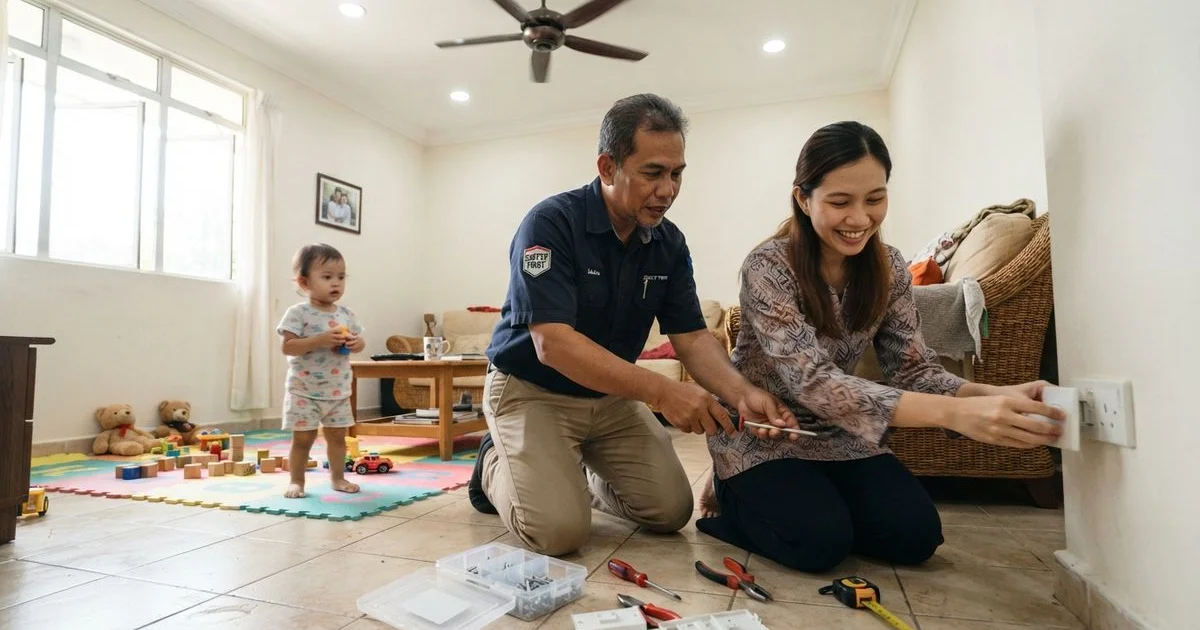
Childproofing usually brings to mind cabinet locks and stair gates, but the electrical side of a home deserves the same attention, particularly once a child is mobile and curious enough to explore sockets, cords, and anything within reach. Some of this is simple and cheap. The most important part is less visible and worth checking properly. This is general safety information, not a substitute for a professional assessment.
Where the real risk sits
| Hazard | Fix |
|---|---|
| Exposed sockets within reach | Socket covers or child-safety plug inserts |
| No earth leakage protection (RCCB) in the consumer unit | Have an electrician check and, if missing, install one |
| Loose or exposed extension cords | Reroute out of reach, or add proper sockets where needed |
| Appliances with dangling cords near furniture a child can climb | Secure cords, move appliances, or use cord shorteners |
| Old, cracked, or discoloured sockets | Replace them, since damaged sockets are both a shock and a fire risk |
| Consumer unit accessible to a curious child | Ensure it’s not at a height or location a child can reach or open |
Socket covers help, but they’re not the main defence
Plastic socket covers and child-safety plug inserts are a reasonable, inexpensive precaution, and they address the obvious risk of a young child poking something into an empty socket. They’re worth having in a home with a mobile toddler. But they’re one layer of protection, and the more important layer sits inside your consumer unit, not on the wall.
It’s worth being consistent about covers too. A house with covers on most sockets but a few left bare, usually the ones behind furniture or in a room used less often, still leaves a real gap. Children find the exceptions.
The feature that actually matters most: earth leakage protection
A residual current device, often labelled RCCB or RCD in your consumer unit, is designed to cut power almost instantly if it detects current leaking somewhere it shouldn’t, which is exactly the scenario in a shock incident. This is a meaningfully more important safety feature than any socket cover, because it protects against the actual danger rather than just making sockets harder to access. Check your consumer unit for this, and if you’re not sure whether it’s present or working, ask an electrician to test it. Older homes, particularly those still running on an old fuse box rather than a modern consumer unit, are less likely to have this protection in place.
Cords are a bigger everyday hazard than people expect
Beyond sockets themselves, loose extension cords and dangling appliance cords are a common everyday hazard: a trip risk for a toddler learning to walk, and something curious enough to chew on or pull, sometimes bringing an appliance down with it. Rerouting cords out of reach, securing them along skirting rather than across open floor, and adding a proper socket where you consistently need power (rather than relying on a permanent extension) all reduce this risk meaningfully.
Don’t overlook damaged sockets
A cracked, discoloured, or loose socket isn’t just a childproofing issue, it’s a genuine hazard for anyone in the household, and it becomes more relevant with a curious child around who might poke at it. Replacing damaged sockets is inexpensive relative to the risk, and it’s worth doing proactively rather than waiting for it to fail.
Getting a professional check as your child becomes mobile
If your child is approaching the age where they’re mobile and starting to explore, it’s a reasonable point to have an electrician check your consumer unit for earth leakage protection, look at any exposed wiring or damaged sockets, and advise on where additional sockets might reduce your reliance on extension cords. This is a relatively small, one-time cost that addresses the parts of childproofing that a parent can’t fully handle with covers and vigilance alone. The same visit is a good moment to check the rest of the home too, especially if an elderly relative also lives there; see our guide to electrical safety checks for an aging parent’s home for what else is worth a look.
See our methodology for how we score electricians on communication and workmanship, and start from the homepage to find one to help.
FAQ
- Are socket covers actually necessary in Malaysia?
- They're a reasonable, low-cost precaution for households with young children who are at the age of exploring sockets directly. They're one layer of protection, not a replacement for a working earth leakage breaker, which matters more for genuine shock protection.
- What's the single most important safety feature for a home with kids?
- A properly functioning residual current device (RCCB), sometimes called an earth leakage breaker, in your consumer unit. It's designed to cut power quickly if it detects a leakage current, which is exactly the kind of protection that matters most in a shock scenario.
- How do I know if my home already has this protection?
- Check your consumer unit for a switch labelled RCCB, RCD, or similar, and ask an electrician to test it if you're not sure it's working. Older homes, particularly those with an old fuse box instead of a modern consumer unit, are less likely to have this installed.
- Should I hide or reroute exposed extension cords?
- Yes, where possible. Exposed cords are both a trip hazard and something young children can chew on or pull. Rerouting them out of reach, or having additional sockets installed where you consistently need power, is safer than a permanent tangle of cords.