Electrical checklist for first-time homeowners in Malaysia
By Adam · Updated 2026-07-05
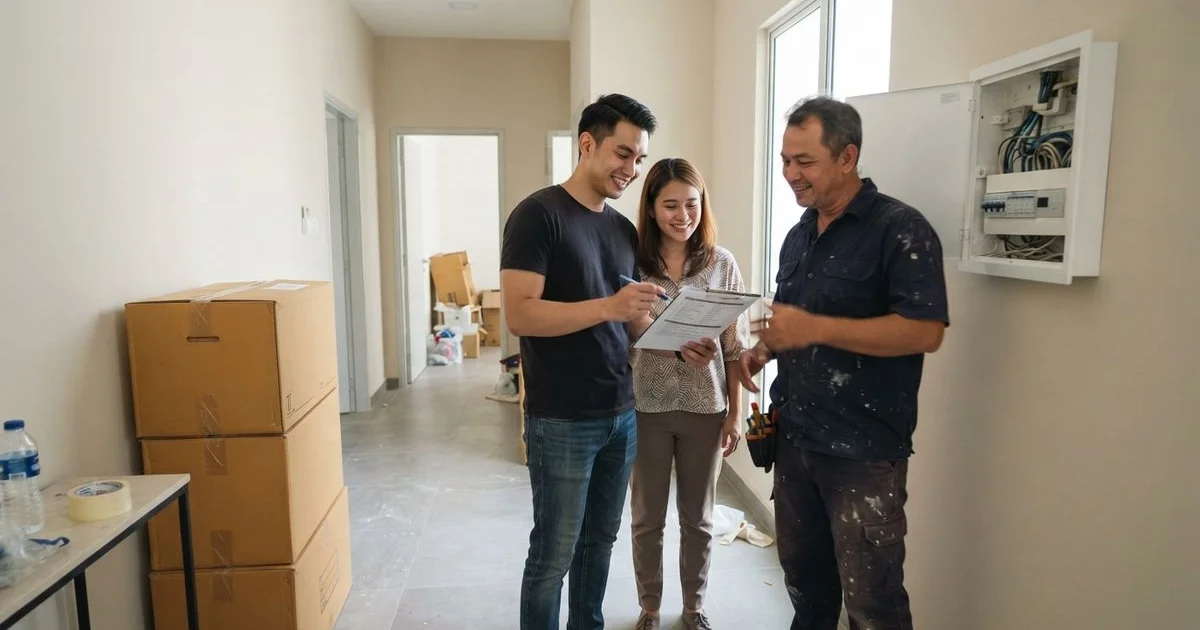
Moving into a new home comes with a long list of things to check, and electrical wiring is easy to overlook because it’s mostly invisible. Unlike a leaking tap or a cracked tile, a wiring issue doesn’t announce itself until it’s already causing a problem. A short checklist early on can save you from discovering that the hard way.
If anything on this list turns up a concern, our directory of residential electricians is a good place to find someone to take a proper look. Our guide on how to choose a reliable electrician covers the checks worth doing once you’ve shortlisted someone.
What to check before or right after moving in
| Check | What to look for | Why it matters |
|---|---|---|
| Consumer unit type | Modern breaker board vs old ceramic fuse box | Fuse boxes don’t trip as reliably as modern breakers |
| Circuit labelling | Whether breakers are clearly labelled | Makes future troubleshooting far easier |
| Age of the property | Wiring older than 20 to 25 years | Older insulation degrades and is worth inspecting |
| Documentation | Wiring certificates or past electrical work records | Confirms whether work was done by a licensed person |
| Socket and switch condition | Cracks, discolouration, looseness | Signs of heat damage or wear worth checking |
| Existing circuit load | What’s already wired for aircon, kitchen appliances | Determines whether you can safely add more |
| Earthing and RCCB | Whether the property has a working earth leakage breaker | A key safety feature, especially in older homes |
Start with the consumer unit
Opening the consumer unit and having a look, even without any technical knowledge, tells you a lot. A modern board with clearly labelled circuit breakers is a good sign. An old ceramic fuse box, unlabelled circuits, or visible signs of wear are worth flagging for a proper inspection, not necessarily a red flag on their own, but a reason to look closer before assuming everything is fine.
Ask for documentation, even if you don’t expect to get it
Not every seller will have wiring certificates or records of past electrical work, but it costs nothing to ask. If the property has had any rewiring, a consumer unit upgrade, or major renovation, documentation from a licensed electrician is worth having, both to confirm the work was done properly and for your own records going forward. If nothing exists, that’s useful information too: it means you’re working with an unknown history rather than a documented one.
Older properties deserve a proactive look
Homes over 20 to 25 years old are the ones most worth a proactive inspection, particularly if the wiring hasn’t been touched since the property was built. This doesn’t mean assuming the worst. Plenty of older homes have wiring that’s perfectly fine. It means treating an inspection as a reasonable step before you’re relying on that wiring daily, rather than waiting for a warning sign to force the issue.
Check what your new home can actually support
If you’re planning to add appliances, particularly aircon units, it’s worth confirming your existing circuits and consumer unit can support the extra load rather than assuming they can. Many older homes were wired for a simpler set of appliances than what a modern household actually runs, and adding load to an undersized circuit is a common source of tripping breakers and, over time, wiring stress.
Building a simple electrical file
Once you’ve had anything checked or done, keep the paperwork. A folder with your consumer unit’s layout, any wiring certificates, and details of work carried out is a small habit that pays off later, whether you’re troubleshooting a future issue yourself, having more work done, or eventually selling the property.
Don’t rush every fix at once
If your checks turn up more than one issue, it’s fine to prioritise rather than tackle everything in the first month. Anything tied to a genuine safety sign, like a warm switch or a fault that’s already causing trouble, should come first. Cosmetic wear or an outdated-but-functioning fuse box can reasonably wait until you’ve settled in and have a clearer sense of the property’s actual habits and load.
Getting this right early means fewer surprises later, and a clearer sense of what, if anything, actually needs attention. See our methodology for how we score residential electricians on licensing and communication, and start from the homepage to compare providers.
FAQ
- Should I get an electrical inspection before or after moving in?
- Before, if possible, especially for an older property. It's much easier to negotiate repairs or price adjustments before you've settled in, and you'll want to know about any issues before you're relying on the wiring day to day.
- What documents should I ask the seller or previous owner for?
- Ask for any wiring certificates, records of past electrical work, or renovation documentation if the property has been rewired or upgraded. Not every seller will have these, but it's worth asking before assuming there's nothing to find.
- Is it normal for an older home to need immediate electrical work?
- Not always, but it's common enough to budget for the possibility, particularly in homes over 20 to 25 years old. A proactive inspection tells you whether you're dealing with a real issue or just an older-looking consumer unit that's actually fine.
- What's the first thing I should check myself when I move in?
- Open the consumer unit and see whether circuits are labelled, and note whether it's a modern breaker board or an older ceramic fuse box. This alone gives you a rough sense of how dated the electrical system is.