Free and low-cost electrical safety checks in Malaysia
By Adam · Updated 2026-07-09
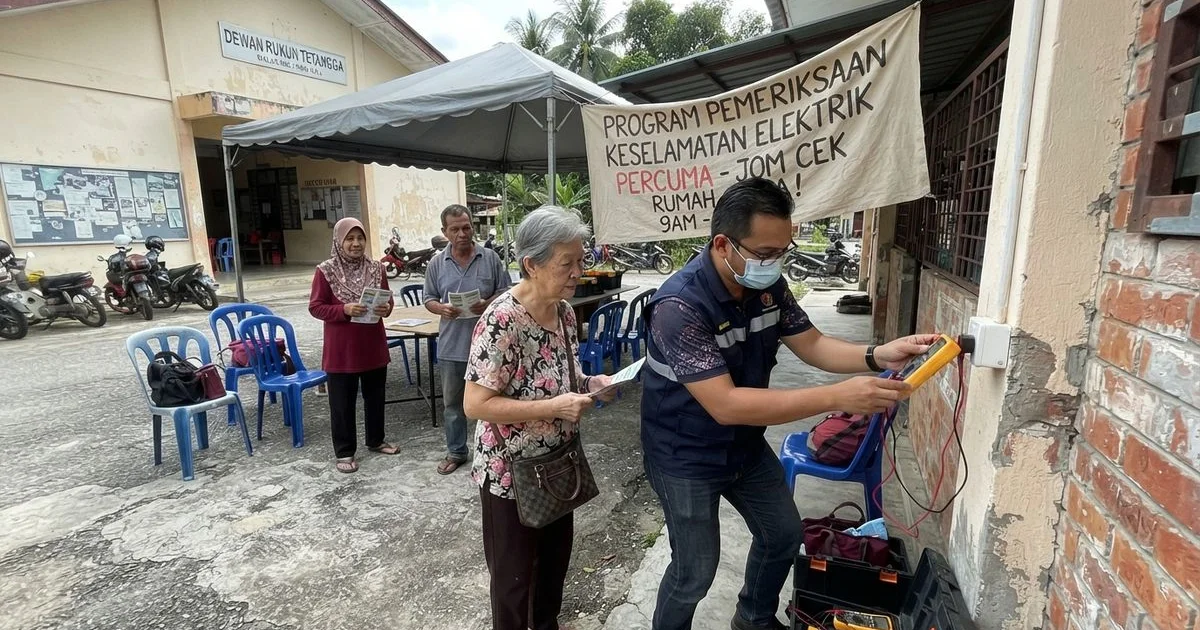
A full professional inspection costs money, but a meaningful amount of electrical safety awareness doesn’t have to. Knowing what’s genuinely available at no or low cost, and where it’s worth paying regardless, helps you prioritise without either ignoring real risk or spending on things you don’t need yet.
What’s genuinely free or low-cost
| Option | What it covers | Cost |
|---|---|---|
| DIY visual self-check | Consumer unit type, socket condition, breaker test | Free |
| Free quote visits | Assessment tied to a specific job you’re already getting quoted | Free, no obligation |
| Defect liability period (new properties) | Developer-covered fixes within the agreed window | Free if within the period |
| Asking your existing electrician about a general look while they’re there | A second opinion during an unrelated visit | Often free or minimal if they’re already on site |
| Full professional inspection | Full check of wiring, earthing, load capacity | Paid, worth it for older or undocumented properties |
Know what TNB does and doesn’t cover
A common misconception is that your electricity provider is responsible for problems inside your home. TNB’s responsibility generally stops at the meter. Everything from the meter inward, including your consumer unit and all internal wiring, is the property owner’s responsibility. This matters because it sets realistic expectations: you can’t wait for TNB to flag an internal wiring issue, since it’s simply outside what they check.
If your property is new, check your defect liability period
If you’ve recently bought a new property, you may still be within the defect liability period specified in your sale and purchase agreement, typically around 24 months for new developments in Malaysia. Electrical defects reported during this window are generally the developer’s responsibility to fix at no cost to you. If you notice anything concerning, report it in writing and keep a record, rather than waiting until the window closes and the cost becomes yours.
Do a visual self-check first
You don’t need any technical background to do a basic visual check. Open your consumer unit and see whether it’s a modern, labelled breaker board or an old, unlabelled fuse box. Look at your sockets and switches for cracking, discolouration, or looseness. Try resetting a breaker once if anything has tripped, and note whether it holds. None of this replaces a professional inspection, but it gives you a rough sense of whether something needs closer attention, entirely for free.
This kind of self-check is also worth repeating periodically, not just once. Wiring conditions change slowly, so a socket that looked fine six months ago might show early signs of wear now. Building it into an occasional routine, alongside things like checking smoke alarm batteries, costs nothing and catches problems earlier than waiting for something to visibly fail. For a fuller walkthrough of what to look at, our electrical checklist for first-time homeowners covers the same checks in more depth.
Use a free quote visit as an opportunity
If you’re already getting a quote for one job, many electricians offer that initial site visit at no cost. It’s a reasonable moment to ask, while they’re already there, whether anything else in the property looks concerning. This isn’t a substitute for a dedicated inspection, but it’s a genuinely useful, no-cost way to get a second set of eyes on your wiring without booking and paying for a separate visit.
Where it’s still worth paying
None of the above replaces a full inspection for a property with real risk factors: wiring older than 20 to 25 years, no documentation of past electrical work, or any of the warning signs like warm switches, repeated tripping, or a burning smell. In these situations, the cost of a proper inspection is small relative to what an undiagnosed fault could eventually cost, and free options aren’t a substitute for a professional actually testing your wiring and earthing properly.
Being resourceful about the free and low-cost options available makes sense as a starting point, but treat them as a first layer, not a replacement for a paid inspection when your situation actually calls for one. See our methodology for how we score electricians on communication and pricing transparency, and browse the homepage to find one near you.
FAQ
- Is TNB responsible for checking the wiring inside my home?
- No. TNB's responsibility generally ends at the meter. Everything from the meter into your property, including the consumer unit and all internal wiring, is the property owner's responsibility to maintain and have checked.
- If I just bought a new property, is the developer responsible for electrical defects?
- Often, yes, if you're still within the defect liability period specified in your sale and purchase agreement, which is typically around 24 months for new properties in Malaysia. Report any electrical issues in writing during that window rather than waiting.
- Do electricians usually charge for a quote visit?
- Many offer a no-cost, no-obligation site visit specifically to quote a job. It's worth asking directly when you call, and if you have one out anyway, it costs nothing to ask whether anything else looks concerning while they're there.
- What can I check myself for free?
- Whether your consumer unit is labelled and modern rather than an old fuse box, whether any sockets look cracked or discoloured, and whether breakers trip normally when tested. None of this requires a professional, though anything concerning should still be followed up on.