Landlord and tenant electrical responsibilities in Malaysia
By Adam · Updated 2026-07-07
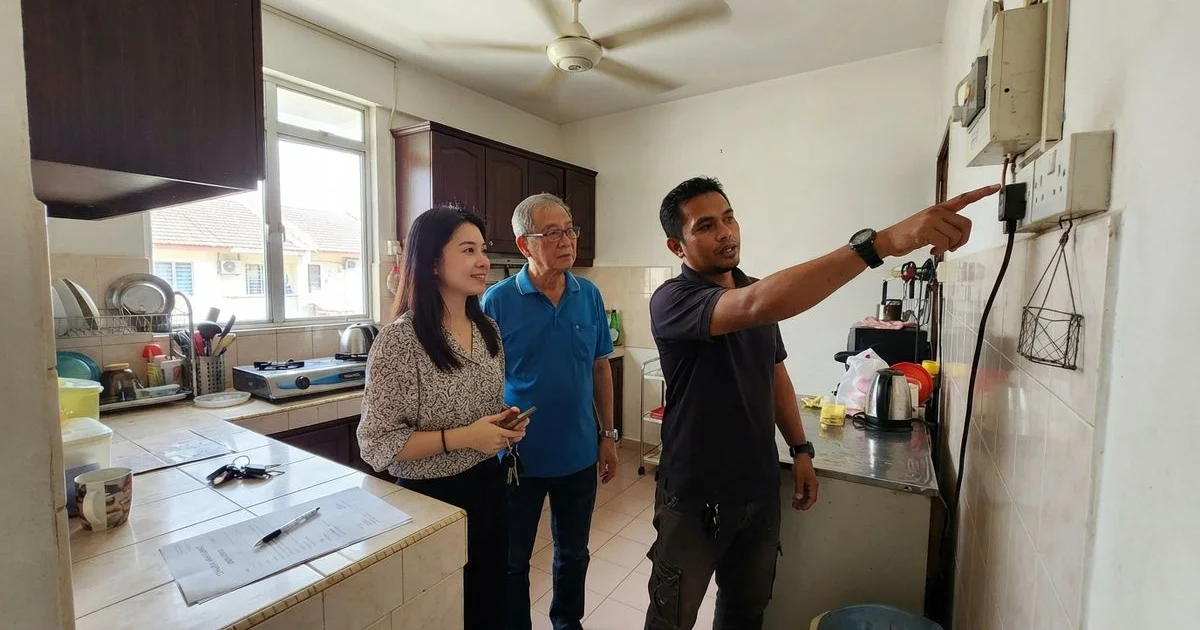
Electrical issues in a rented property often turn into a “whose problem is this” conversation before they turn into a repair. Having a general sense of how responsibility usually splits, and getting it clarified in writing before an issue comes up, avoids most of that friction. This is general information, not legal advice; your specific tenancy agreement governs the actual arrangement.
How responsibility typically splits
| Item | Typically responsible | Notes |
|---|---|---|
| Fixed wiring, consumer unit, built-in fittings | Landlord | Part of the property’s core condition |
| Normal wear and tear on sockets and switches | Landlord | Expected to age and eventually need replacement |
| Damage from tenant misuse or unauthorised work | Tenant | Depends on what caused the issue |
| Tenant’s own appliances | Tenant | Not part of the property’s fixed installation |
| Reporting a fault promptly | Tenant | Delayed reporting can complicate responsibility later |
| Responding to a reported fault in reasonable time | Landlord | Reasonable timeframes are often specified in the agreement |
The general principle, and where it gets complicated
The rough default is that a landlord is responsible for the property’s fixed electrical installation, meaning the wiring, consumer unit, and built-in fittings, since these are part of what’s being rented. A tenant is generally responsible for their own conduct: the appliances they bring, any changes they make, and reporting problems in a timely way rather than letting them sit.
Where this gets complicated is the middle ground. If a socket stops working and it’s genuinely just aged out, that’s normal wear and tear and typically the landlord’s responsibility. If it stopped working because a tenant overloaded it with an inappropriate extension cord setup, that’s a different conversation. The specifics of what happened, not just what broke, usually determine where responsibility lands.
Why a clear tenancy agreement matters more than assumptions
Not every tenancy agreement spells out electrical maintenance in detail, and relying on an unwritten default assumption is a common source of disputes. A well-drafted agreement specifies who handles routine maintenance, how a tenant should report a fault, what response time is reasonable, and whether any landlord-provided appliances (like a water heater or built-in aircon) are covered separately from the property’s core wiring. If you’re a landlord, spelling this out upfront saves a difficult conversation later. If you’re a tenant, reading this section of the agreement before signing is worth the few minutes it takes.
Reporting promptly protects both sides
A tenant who notices a wiring issue and reports it right away, ideally in writing or through whatever channel the tenancy agreement specifies, is in a much clearer position than one who mentions it in passing or waits weeks to say anything. Prompt reporting also protects the landlord, since a fault that’s addressed early is cheaper and safer than one that’s allowed to develop into something bigger. If a tenant delays reporting a known issue and it worsens, that delay can become part of the conversation about responsibility.
This works both ways. A landlord who’s slow to act on a reported fault, particularly a genuine safety issue, is also building a weaker position if something goes wrong in the meantime. A reasonable response window, agreed upfront rather than left vague, protects both sides from that kind of drift.
What a tenant shouldn’t do without permission
A tenant making unauthorised changes to fixed wiring, adding circuits, or attempting a repair themselves creates a genuine problem, both from a safety standpoint and from a liability standpoint if something goes wrong afterward. If a tenant wants to add something like a dedicated aircon circuit or additional sockets, that should go through the landlord and a properly licensed electrician, not be handled independently.
When to bring in a professional versus resolve it between yourselves
Minor questions, like who pays for a light bulb, rarely need outside input. Anything involving the property’s actual wiring, a repeated fault, or a disagreement about what caused a problem is worth involving a licensed electrician to assess and document, which gives both parties something concrete to refer to rather than competing assumptions. Where a dispute involves actual damage or a fire, our guide on liability for faulty wiring explains how responsibility typically gets decided.
See our methodology for how we score electricians on documentation and communication, and start from the homepage to find one for a maintenance visit or an assessment.
FAQ
- Who pays for a broken socket in a rented home?
- Generally the landlord, if it's normal wear and tear on the property's fixed electrical fittings. If the damage was caused by the tenant, such as misuse or unauthorised modification, responsibility can shift. This is general information, not legal advice; check your tenancy agreement.
- Can a tenant do their own minor electrical fixes?
- Very minor things like changing a bulb are generally fine, but a tenant shouldn't alter fixed wiring, sockets, or the consumer unit without the landlord's knowledge, since unauthorised work can create liability issues for both parties.
- What should a tenancy agreement say about electrical maintenance?
- Ideally it specifies who's responsible for routine maintenance versus repairs from tenant misuse, how quickly the landlord will respond to a reported fault, and whether any appliances provided by the landlord are covered separately from the fixed wiring.
- What should a tenant do if they notice a wiring problem?
- Report it to the landlord promptly and in writing where possible. Delaying a report, or trying to fix it without authorisation, can complicate who's responsible if the problem gets worse.