Who is liable when faulty wiring causes a fire or damage in Malaysia
By Adam · Updated 2026-07-01
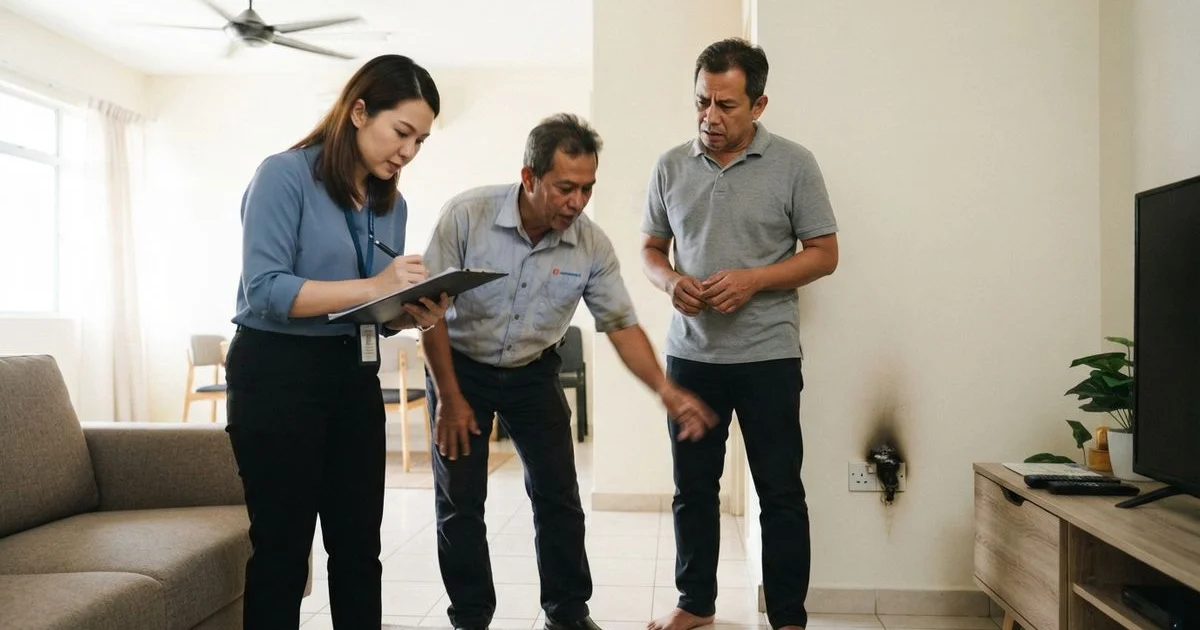
When faulty wiring causes damage, working out who’s responsible isn’t always straightforward, and it depends heavily on the specific circumstances: who owns the property, who did the wiring work, and whether proper documentation exists. This is general information to help you understand the typical factors involved, not legal advice. For an actual dispute or claim, speak to a qualified lawyer or your insurer directly.
The factors that typically matter most
Liability questions in these situations tend to hinge on a few recurring factors rather than a single rule: who was responsible for maintaining the wiring at the time of the fault, whether the work that caused the problem was done by a licensed professional, what the tenancy or ownership arrangement says (if there is one), and whether proper documentation exists showing what work was done and when.
| Situation | Who’s typically involved | What usually matters |
|---|---|---|
| Owner-occupied home, wiring fault in original installation | The owner and whoever installed the wiring | Whether the original work was licensed and documented |
| Rented property, fault in the property’s fixed wiring | Landlord, and the original electrician if work was recent | Landlord’s maintenance obligations, tenancy agreement terms |
| Rented property, fault linked to tenant’s DIY work or added appliances | Tenant | Whether the tenant caused or worsened the fault |
| Fault linked to recent electrical work by a hired contractor | The contractor, and whoever hired them | Whether the contractor was licensed, whether work was documented |
| Fault affecting a neighbouring unit (e.g. shared wiring in strata property) | Building management or the unit where the fault originated | Strata bylaws, whether shared infrastructure was involved |
Why licensing keeps coming back into this
A recurring theme across these situations is whether the electrical work involved was done by a properly registered person. Unlicensed work tends to complicate liability in two ways: it removes a regulated party who can be held accountable for the standard of work, and it can make an insurance claim harder to process, since insurers often specifically ask whether wiring was installed or repaired by a licensed professional. If you’re the one who hired an unlicensed electrician, that decision can work against you later, even if you weren’t the one who did the actual wiring.
Landlords, tenants and rented property
In a rental situation, a landlord is generally expected to maintain the property’s fixed electrical installations, meaning the wiring, consumer unit, and built-in fittings. A tenant is generally responsible for their own conduct, such as any appliances they bring in or any unauthorised changes they make. Where this gets complicated is when a fault develops from something in between, like a tenant reporting a problem that the landlord was slow to address, or an old fault that was present before the tenancy started. Because the specific tenancy agreement can shift some of these responsibilities, it’s worth reading yours carefully rather than assuming a default arrangement applies. For the fuller breakdown of who typically covers what, see our guide to landlord and tenant electrical responsibilities.
Why documentation is worth keeping
Whether you’re an owner, a landlord, or a tenant, one of the most practical things you can do is keep records: the electrician’s registration details, a written scope of the work carried out, and any test or completion certificate provided. If a liability question ever comes up, whether with an insurer, a landlord, or a tenant, having this on hand is far more useful than trying to reconstruct what happened after the fact. It’s a small habit that costs nothing at the time and can matter a great deal later.
What this means practically
If you’re hiring anyone to do electrical work, checking their registration and keeping the paperwork isn’t just a formality, it’s part of protecting your position if something goes wrong later. If you’re a tenant, understand what your tenancy agreement says about maintenance responsibilities before an issue arises, not after. And if a fault does cause damage, the specific facts of your situation, not a general rule, are what will determine where liability actually falls, which is exactly why this is a conversation worth having with a lawyer or your insurer rather than relying on assumptions.
See our methodology for how we score electricians on licensing and documentation practices, and visit the homepage to compare providers before you hire.
FAQ
- Is a landlord always responsible for wiring faults in a rented home?
- Generally the landlord is responsible for the property's fixed wiring and installations, but this can depend on what's written in the tenancy agreement and whether the tenant caused or worsened the fault, for example through unauthorised DIY work. This is general information, not legal advice.
- What if the electrician who did the work was unlicensed?
- This tends to work against whoever hired them. An unlicensed electrician carries less accountability if something goes wrong, and it can also complicate an insurance claim, since insurers often ask whether work was carried out by a properly registered person.
- Does my home insurance cover fire damage from a wiring fault?
- It depends entirely on your specific policy, and claims can be more complicated if the wiring wasn't done by a licensed professional or wasn't properly documented. Check your policy terms directly or speak to your insurer.
- Should I keep records of electrical work done on my property?
- Yes. Keeping the electrician's registration details, a written scope of work, and any test or completion certificate is one of the most useful things you can do, both for insurance purposes and if a liability question ever comes up later.