Why a new air conditioner needs its own electrical circuit
By Adam · Updated 2026-07-03
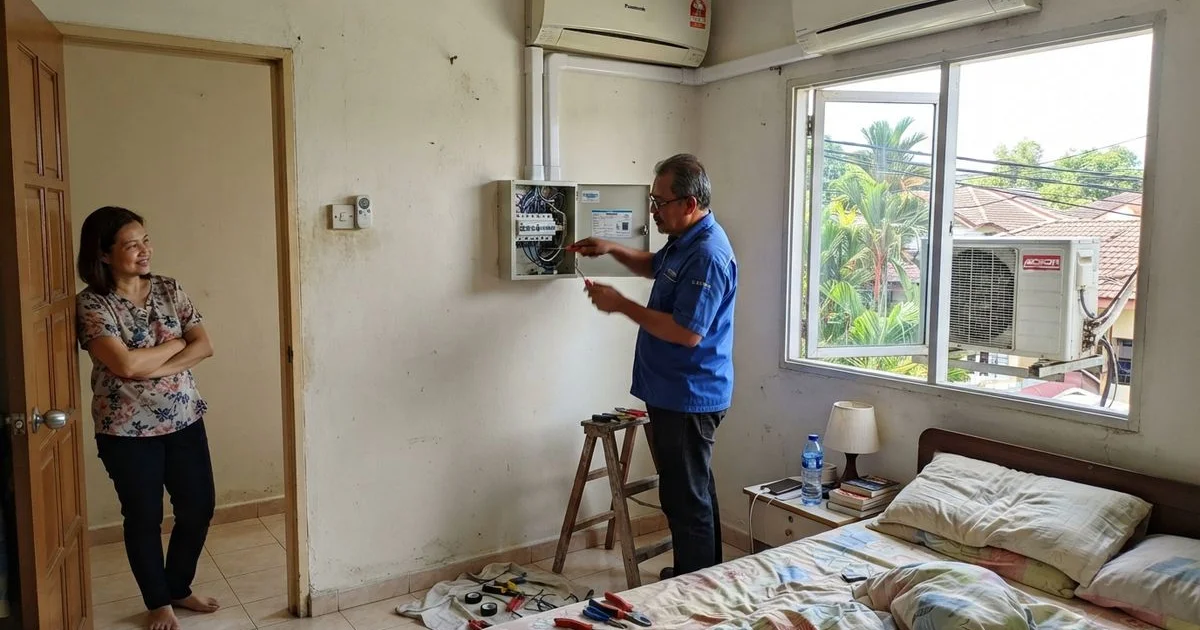
Installing a new air conditioner is often treated as a two-part job: mount the unit, connect the piping. The electrical side sometimes gets less attention than it deserves, particularly when a quote is trying to look competitive by skipping a dedicated circuit. That shortcut is one of the more consequential ones in residential electrical work.
You can compare aircon and electrical wiring installers who handle this properly, but it helps to understand why the dedicated circuit matters before you get quotes.
Why aircon units are different from most appliances
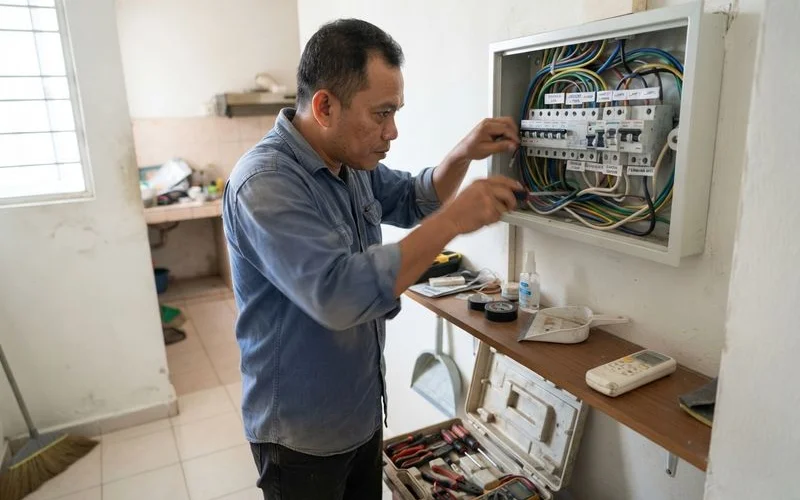
Air conditioners draw a meaningfully larger current than most household devices, particularly during startup when the compressor kicks in. A circuit that’s already carrying other loads, like lighting or general sockets, wasn’t sized with that startup surge in mind. Sharing a circuit works fine right up until the moment everything switches on at once, at which point the breaker trips, or worse, the wiring is stressed beyond what it’s rated for without tripping at all.
A dedicated circuit means the aircon has its own cable run from the consumer unit and its own correctly sized breaker, isolated from everything else in the home. This isn’t an upsell. It’s the baseline expectation for a properly installed unit.
What actually happens if it’s skipped
The most immediate sign is a breaker that trips whenever the aircon starts alongside other appliances, which is annoying but at least visible. The less visible risk is what happens to wiring that’s carrying more current than it was designed for over an extended period: insulation can degrade faster, connections can loosen from repeated heat cycling, and in the worst case this becomes a genuine fire risk rather than just an inconvenience. Because this kind of stress builds up quietly, a shared-circuit installation can look fine for months before any problem becomes obvious.
Inverter units add another layer
Inverter aircon units, which modulate their power draw rather than switching fully on and off, have their own specific wiring considerations that an experienced installer accounts for when sizing the circuit and breaker. This is exactly the kind of detail that separates a properly qualified installer from someone treating the electrical side as an afterthought. If you’re installing an inverter unit, it’s worth asking your installer directly how they’re sizing the circuit for that specific model, rather than assuming a standard installation covers it.
What a proper installation actually includes
A quote for aircon installation that includes proper electrical work should cover checking your existing consumer unit’s capacity, running a dedicated circuit from it to the aircon location, fitting a correctly rated breaker, and installing an isolator switch near the unit itself so it can be safely disconnected for servicing. Piping, insulation, and drainage routing are separate line items and worth asking about explicitly, since these are common places where a cheap quote later turns out to be missing something.
What it costs, and why the cheap quote is sometimes the expensive one
Adding a dedicated circuit typically starts from a few hundred ringgit and increases with the distance from your consumer unit to the aircon location, and further if a breaker upgrade is needed to support it. A quote that skips this step will look cheaper on paper, but you’re not actually saving money, you’re deferring a cost (and a risk) to later. If two quotes for the same aircon installation differ significantly, ask specifically whether both include a dedicated circuit, since that’s often exactly where the gap comes from.
Checking an existing installation, not just a new one
If your aircon was installed years ago and you’re not sure whether it has its own circuit, it’s worth checking rather than assuming. Open your consumer unit and see whether there’s a breaker clearly labelled for the aircon, separate from general lighting or socket circuits. If you can’t tell, or if the unit shares a breaker with several other things, that’s a reasonable prompt to have an electrician confirm the setup, particularly if you’ve noticed the breaker tripping when the aircon and other appliances run together.
Adding a second or third unit later
Households often add aircon units one room at a time as budgets allow, and each new unit is another opportunity for a shortcut. Even if your first unit has its own circuit, don’t assume a second or third installation automatically gets the same treatment unless you ask. Confirm with whoever’s doing the new installation that it’s getting its own circuit too, rather than being tapped onto the existing aircon circuit to save a bit of cabling.
See our methodology for how we score installers on licensing and workmanship, and visit the homepage to compare providers across every electrical category.
FAQ
- Can I just plug a new aircon into an existing socket?
- For most split units, no. Air conditioners draw significant current, especially on startup, and sharing a circuit with other appliances risks overloading it. A dedicated circuit sized for the unit is the standard, safer approach.
- What happens if an aircon runs on a shared circuit?
- The breaker is more likely to trip when the aircon starts alongside other appliances, and over time the repeated load can stress wiring that wasn't sized for it, which raises the risk of overheating.
- How much does adding a dedicated aircon circuit cost?
- It typically starts from a few hundred ringgit and goes up depending on the distance from your consumer unit to the aircon location and whether a breaker upgrade is needed. Ask for an itemised quote covering cabling, breaker, and labour separately.
- Does this apply to inverter aircon units too?
- Yes, and inverter units have their own specific circuit requirements that an experienced installer should account for when sizing the wiring and breaker. This is general safety information; a proper on-site assessment is the only way to confirm what your specific unit needs.