Electrical checklist before selling or renting out your property
By Adam · Updated 2026-07-06
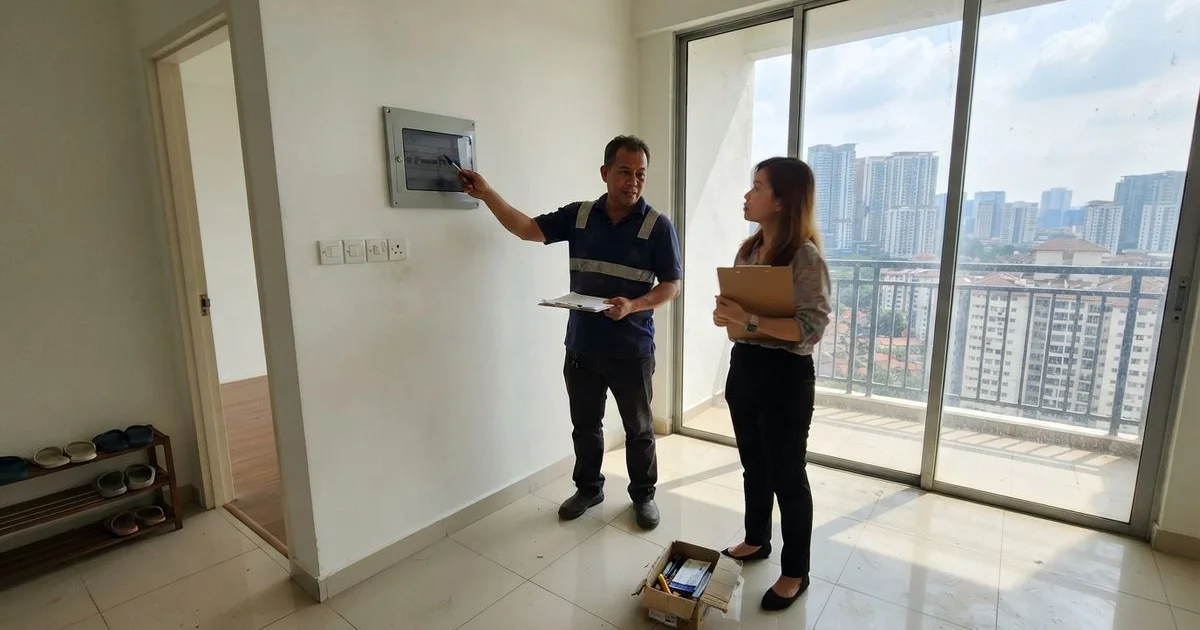
Electrical issues that a homeowner has lived with for years can become a real problem the moment a property goes on the market. Buyers and tenants notice things an owner has stopped seeing, and unresolved issues tend to cost more in a negotiation than they would have cost to simply fix beforehand.
What to check before you list
| Item | Action | Why it matters |
|---|---|---|
| Visible socket and switch condition | Replace anything cracked, discoloured, or loose | First impression during viewings |
| Consumer unit type | Consider upgrading an old fuse box to a modern breaker board | Buyers and inspectors flag this quickly |
| Wiring documentation | Gather any certificates or records of past electrical work | Reassures buyers, speeds up due diligence |
| Known faults (tripping, flickering) | Have them properly diagnosed and fixed | Unresolved issues invite lower offers |
| Exposed or unfinished wiring | Get it properly closed up and tested | A clear red flag to any inspector |
| Overall wiring age | Get an inspection if the property is 20+ years old | Know what you’re dealing with before a buyer does |
Fix what’s visible, even if it seems minor
Cracked switch plates, discoloured sockets, or an old ceramic fuse box create an impression during a viewing that’s disproportionate to how serious the actual issue might be. A buyer or tenant walking through a property notices these details, and even a minor cosmetic issue can read as a sign of general neglect. Addressing the visible stuff is usually inexpensive relative to the effect it has on how the property is perceived.
Resolve known faults rather than disclosing and hoping
If you’ve been living with a breaker that trips occasionally, or a light that’s flickered for months, get it properly diagnosed and fixed before listing rather than mentioning it and letting the buyer factor it in. Buyers tend to assume the worst about unresolved electrical issues, and the discount they apply in negotiation is often larger than the actual cost of the repair would have been. Fixing it yourself, on your own schedule and with your own choice of electrician, is almost always the better outcome.
Documentation speeds everything up
Having wiring certificates or records of past electrical work ready to show, particularly for anything major like a rewire or consumer unit upgrade, makes the process smoother for everyone involved. It answers questions a buyer’s inspector would otherwise have to dig for, and it signals that the property has been properly maintained rather than left to whatever the previous work happened to be.
An inspection before listing beats one during negotiation
For an older property, particularly one where you’re not entirely sure of the wiring’s history, a proactive inspection before listing is worth the cost. If the property has ever flooded, make sure that inspection specifically covers what our guide to electrical safety after a flood recommends checking before anyone relies on the wiring again. Finding out about an issue on your own terms means you can decide how to handle it: fix it, disclose it with a price adjustment already factored in, or address it as part of a broader renovation. Finding out about it because a buyer’s inspector flagged it mid-negotiation puts you in a weaker position and can slow the whole transaction down.
For rental properties specifically
If you’re renting rather than selling, the same logic applies with an added angle: unresolved electrical issues are also a safety and maintenance liability while a tenant is living there. Addressing them before a tenancy starts, rather than waiting for a complaint, is both the safer approach and the one that avoids a dispute over responsibility later.
Budgeting for what you find
Not every item on this checklist needs fixing before you list. Some are worth a quick, low-cost repair; others, like a full rewire, are only worth doing if an inspection turns up a genuine structural issue rather than cosmetic wear. Get a written assessment first so you’re deciding based on what’s actually needed, not guessing at how far to go.
Getting the electrical side sorted before you list is a relatively small effort that removes one of the more common friction points in a sale or rental. See our methodology for how we score electricians on documentation and workmanship, and start from the homepage to find one to help.
FAQ
- Do I need a wiring certificate to sell a property in Malaysia?
- It's not always a strict legal requirement for every transaction, but having documentation of any electrical work, particularly a rewire or consumer unit upgrade, makes the process smoother and reassures buyers or their inspectors.
- Should I fix electrical issues before listing, or let the buyer negotiate?
- Fixing visible or known issues beforehand usually works in your favour. A property with obvious electrical problems can lower offers by more than the cost of the actual repair, since buyers tend to assume the worst about what they can't see.
- What do tenants or buyers typically notice first?
- Visible things: cracked or discoloured sockets, an old-looking fuse box instead of a modern consumer unit, exposed wiring, or lights that flicker during a viewing. These create an impression even if the underlying wiring is otherwise fine.
- Is it worth getting a full inspection before listing?
- For an older property, yes. It's better to know about and address any issues on your own terms than to have a buyer's inspector find them during a sale, which can slow negotiations or reduce your asking price.