Electrical safety after a flood: what to check before restoring power
By Adam · Updated 2026-07-08
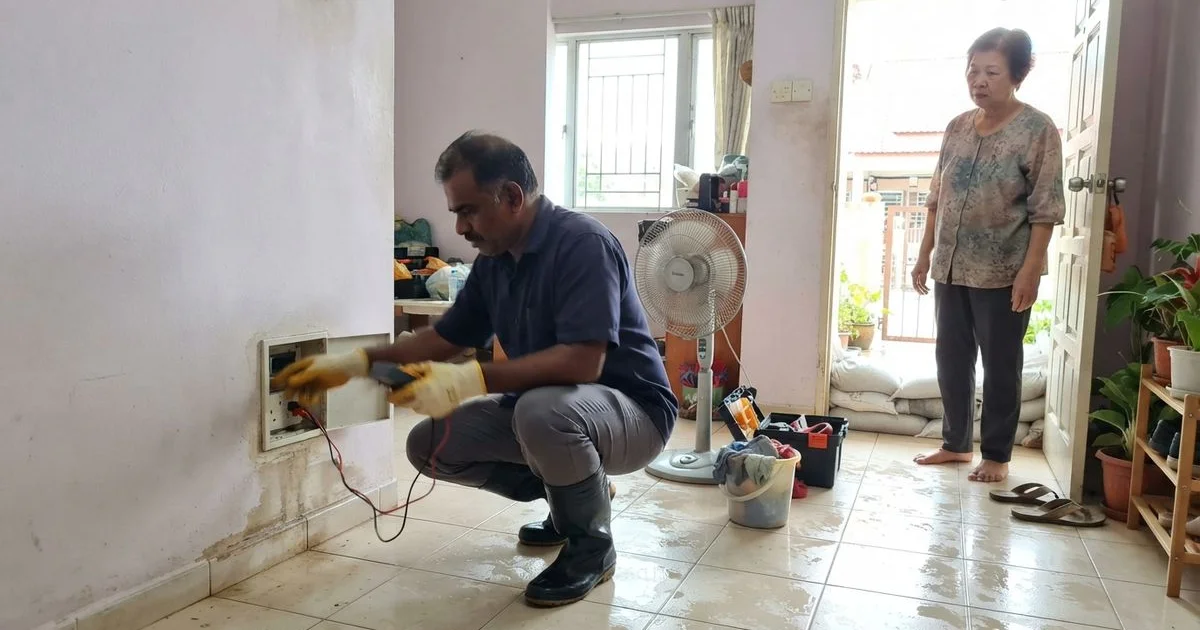
Flooding is a recurring risk in parts of Malaysia, and once the water recedes, the instinct is often to start cleaning up and getting things back to normal quickly. Electrical systems need a different approach. Water and electricity are a genuinely dangerous combination, and what looks dry on the surface isn’t always safe underneath. This is general safety information, not a substitute for a professional assessment.
What to do, and avoid, right after a flood
| Situation | What to do |
|---|---|
| Standing water near sockets, switches, or the consumer unit | Stay clear, do not touch anything, even to switch it off, if you’re standing in water |
| Water has receded but the area is still wet | Wait until the area is dry before assuming anything is safe to test |
| Water reached above socket height anywhere | Treat that zone’s wiring as needing inspection before use |
| You’re unsure how high water actually reached | Assume the worst and have an electrician check before restoring power |
| Power was already cut off during the flood | Leave it off until a professional confirms it’s safe to restore |
| No visible water damage, but the area flooded nearby | Still worth a check, since water can travel further than it appears |
Don’t touch anything if you’re standing in water
This is the single most important rule. If there’s standing water anywhere near a switch, socket, or the consumer unit, don’t touch any of it, including the main switch, while you or the area around it is wet. Electricity and water conduct dangerously well together, and this isn’t a risk worth taking to save a few minutes. If you need power cut urgently and it’s not already off, contact TNB or an electrician rather than doing it yourself from a wet area.
Why “it looks dry now” isn’t enough
Once water has receded and surfaces look dry, it’s tempting to assume everything is fine. Wiring and connections can hold moisture internally well after the visible surface has dried, and corrosion from flood water, particularly if it carried any contaminants, can compromise connections in ways that aren’t visible at all. A socket that looks perfectly normal can still be unsafe to use if water reached it during the flood.
Checking how high the water actually got
A useful first step, once it’s safe to look, is checking the height water reached against where your sockets, switches, and consumer unit are mounted. If water rose above socket height anywhere in the affected area, treat the wiring in that zone as needing a professional check before you use it again. Consumer units mounted low on a wall are particularly worth checking, since they’re often at a height flood water can reach even in moderate flooding.
What a proper post-flood inspection covers
A competent electrician checks for moisture and corrosion in sockets, switches, and the consumer unit, tests insulation resistance on affected circuits, and confirms earthing is still intact before clearing anything to be switched back on. This isn’t the same as a general wiring inspection; it’s specifically looking for the kind of hidden damage flood water causes, which doesn’t always show up in a visual check alone.
Restoring power in stages
Rather than restoring power to the whole property at once, it’s often safer and more practical to have an electrician clear circuits in stages, starting with areas that clearly weren’t affected while the flooded zones are properly checked. This means you’re not stuck with no power at all while waiting for a full property clearance, but you’re also not switching on circuits that haven’t actually been confirmed safe.
After the immediate check
Even once power is restored, it’s worth keeping an eye on any circuits that were affected for signs of trouble in the weeks after: unusual tripping, discoloured sockets, or a smell that wasn’t there before. Flood-related corrosion can sometimes take a little time to fully show itself, and catching it early is far better than waiting for a bigger fault. If you’re planning to sell or rent the property later, keep records of this inspection; our checklist for selling or renting explains why that documentation matters.
See our methodology for how we score electricians on responsiveness and safety practice, and visit the homepage to find one who can help.
FAQ
- Is it safe to turn the power back on myself after a flood?
- Not until the wiring, sockets, and consumer unit have been checked by a professional if water reached any of them. Restoring power to wet or water-damaged wiring is a serious safety risk, even if everything looks dry on the surface.
- How do I know if water actually reached the wiring?
- Check the height water reached against where your sockets, switches, and consumer unit are mounted. If water rose above socket height anywhere in the affected area, assume the wiring in that zone needs to be checked before use.
- Can I just dry everything out and switch it back on?
- No. Wiring and connections can look dry on the surface while still holding moisture or corrosion damage internally. A visual check isn't enough to confirm it's safe; a professional inspection is needed.
- What should I do immediately if I see standing water near the consumer unit?
- Stay away from it and don't touch any switches, even the main switch, if you're standing in water or the area is wet. Contact TNB or an electrician to have power safely isolated from outside the affected area if needed.